Styling guide
How to Refresh a Room You've Stopped Noticing - Without Replacing Everything
June 15, 2026 · Plynth · 6 min read
There's a specific kind of invisible that a room becomes when you've lived in it long enough. You stop seeing it. Not because it's bad - it might even be fine - but because your brain has filed it away. The sofa is just the sofa. The corner with the plant is just that corner. You walk through it every day and register nothing.
Then a friend visits, looks around, and says "I really like your place." And you have no idea what they're talking about.
That's the room this article is for. The one that isn't broken, exactly - but has gone quiet.
The problem usually isn't the furniture
Before you do anything, rule out the easy culprits. Nine times out of ten, a room that feels flat isn't suffering from bad furniture. It's suffering from one of three things: wrong scale, dead corners, or lighting that was never really thought about.
Scale first. A coffee table that's too far from the sofa makes people feel like they have to lean to reach anything. A rug that's too small makes a seating area feel like it's floating - disconnected from itself (how to choose a rug has the sizing rule). These aren't expensive problems to fix. A rug swap, often under ₹15,000 for a decent size from a brand like Obeetee, can change the entire character of a living room just by grounding the furniture properly.
Dead corners are the second thing. Every room has them - a corner where the light doesn't reach, where you stuck something because it needed to go somewhere. A warm lamp is the other fix; how to light a living room covers where it goes, and if you rent, styling a rented 2BHK keeps every fix portable. A trailing pothos in an IKEA planter on a simple wooden stand - you don't need to break the bank - turns the saddest corner in a room into the most noticed one. It doesn't solve anything structurally, and it doesn't need to. It just gives the eye somewhere to rest that feels intentional.
Lighting is the one almost no one thinks about until they've replaced every piece of furniture and the room still doesn't feel right. A room lit by a single overhead light at 5pm has a very specific quality, and that quality is grim. It doesn't matter how good your sofa is. Adding a floor lamp or a table lamp in the 2700K–3000K warm white range, in a corner that's currently dark, is frequently the single most effective thing you can do to change how a room feels. Urban Ladder has a decent range of floor lamps in the ₹4,000–10,000 bracket that don't require you to enjoy furniture shopping to pick one.
The things worth replacing when you replace nothing else
If you want to refresh with the minimum possible spend, there's a very short list of items that punch above their cost.
Cushion covers, not cushions. Swapping four cushion covers on a sofa - going from whatever came with it to something with actual texture, linen or cotton, a colour that has some warmth in it - changes the reading of the sofa entirely. Ellementry has a good range of both solid and printed options.
One piece of wall art, or a styled surface. Walls that are entirely bare read as temporary - like whoever lives there hasn't quite moved in yet. One framed print, or a floating shelf with three or four considered objects, does more for a room's sense of "someone lives here intentionally" than almost any furniture purchase. The House of Things has a good range of prints and art pieces if you want something that will last. Fabcuro's tabletop decor collection is a good way to start small.
A throw, placed correctly. Not folded and stacked. Draped over the arm, or the back corner of the sofa. A throw adds the one thing most Indian apartments lack - visible softness. Linen or cotton over wool if you're in a warm climate.
The rearrangement test
Before spending anything at all, try this: stand in your living room and look at it like you've never been in it before. Then ask yourself one question - what is this room organised around?
Most furniture layouts are organised around the TV. Everything angles toward it, faces it, defers to it. That makes sense for a home theatre. It makes less sense for a room where you also want to have a conversation, read, or sit without the TV and not feel like the room is pointing at nothing.
Try a seating arrangement that creates a conversation first, TV second. Even if you end up reversing it, doing this for a week will show you things about the room that you couldn't see when everything was familiar.
The other rearrangement worth attempting: move the coffee table 15cm closer to the sofa than it is now. The standard instinct is to give it space. The actual effect of bringing it closer is that the seating area starts to feel contained - like a room within the room - instead of spread out across the floor.
What to see before you buy anything
The frustrating thing about refreshing a room this way - incrementally, with small changes - is that it's very hard to visualise. You can imagine a new rug in the abstract. You can't imagine a new rug with your specific sofa, your specific wall colour, your specific light at 7pm.
This is exactly what Plynth was built for. Upload a photo of your actual room, pick a direction, and see it rendered with real products from the brands above - before you've spent anything. The whole thing takes about ten minutes. The sofa stays. The things around it change until the room looks like you meant it.
Everything in the room at the top
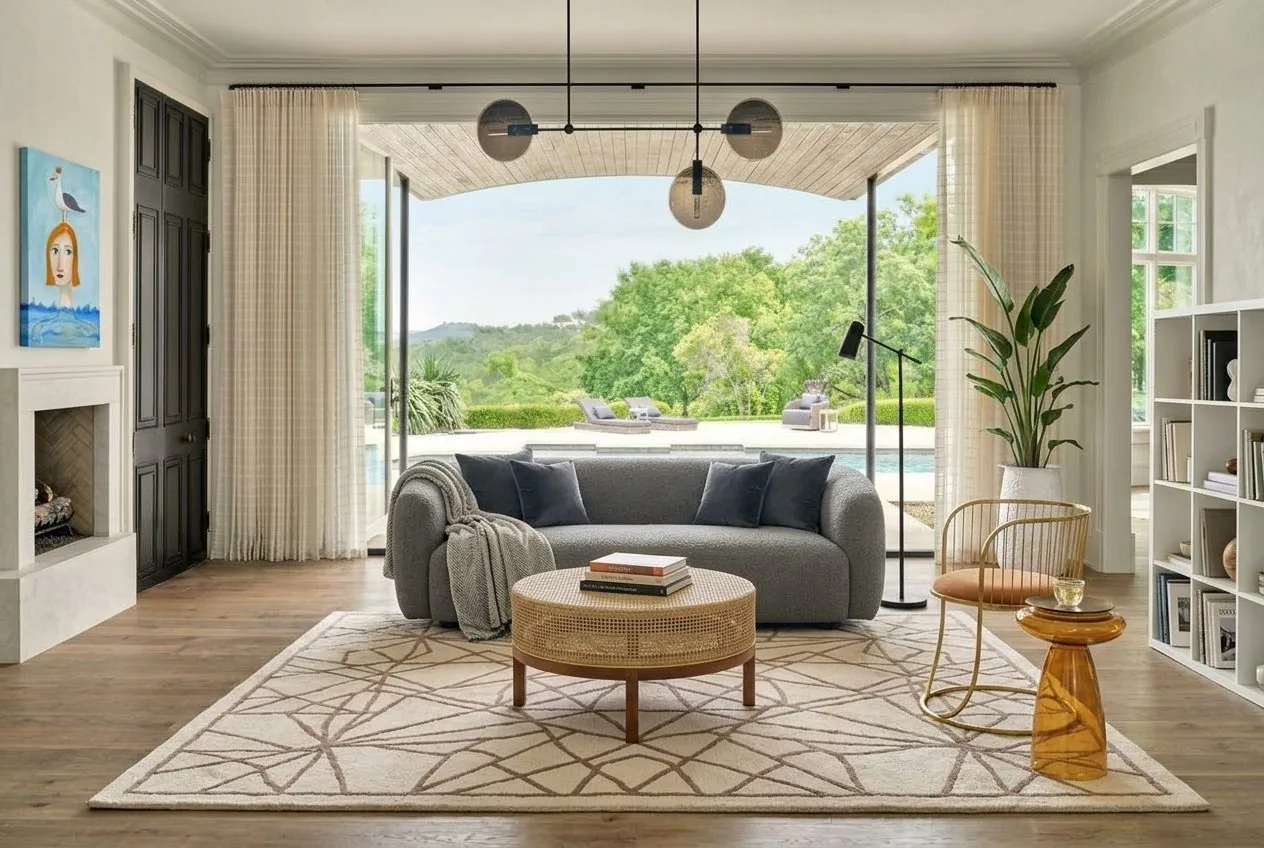
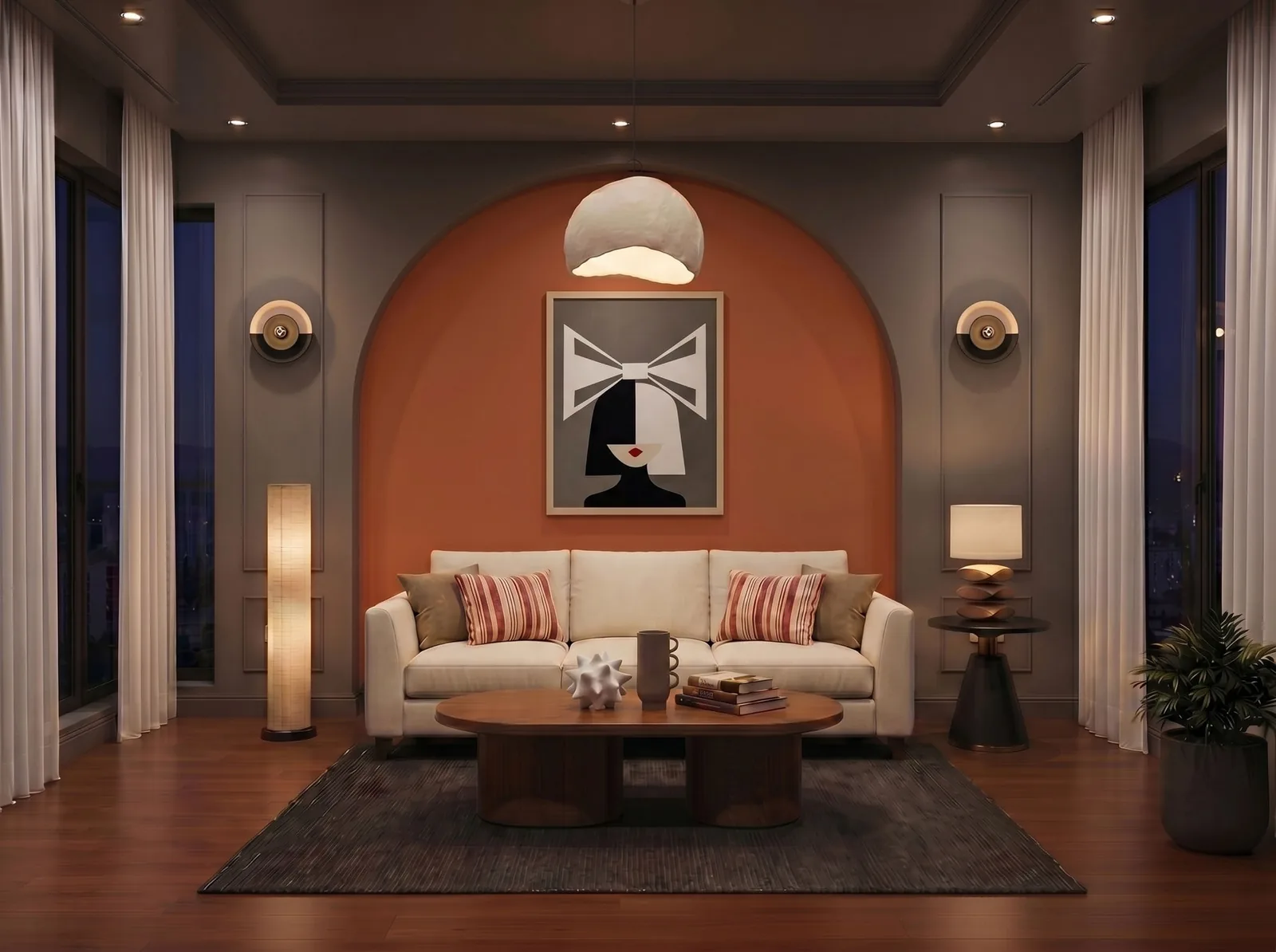
The room at the top of this article is a real Plynth look, built from products across seven brands. Here's every piece in it - tap any item to shop it:
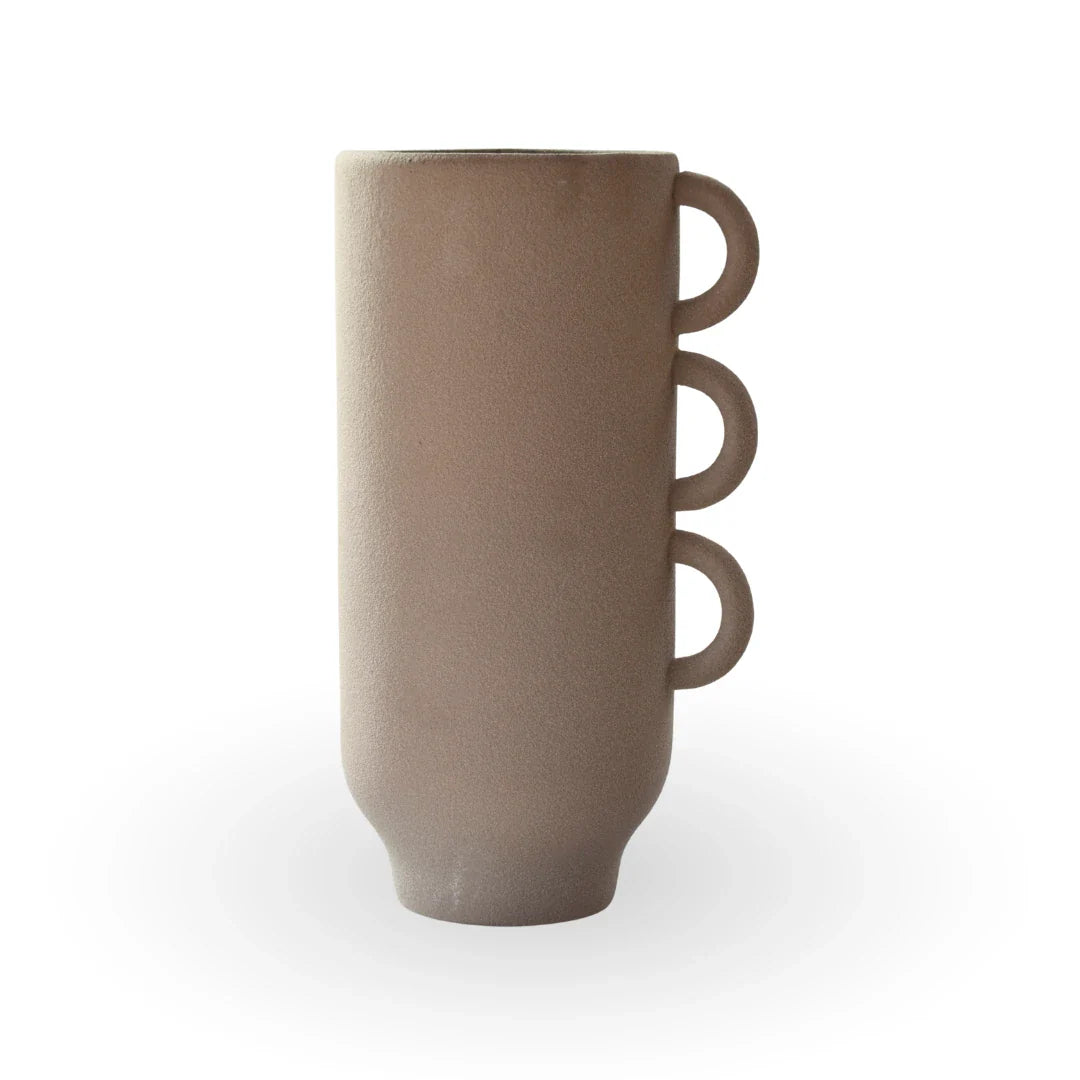
Terre Gray Vase
Fabcuro
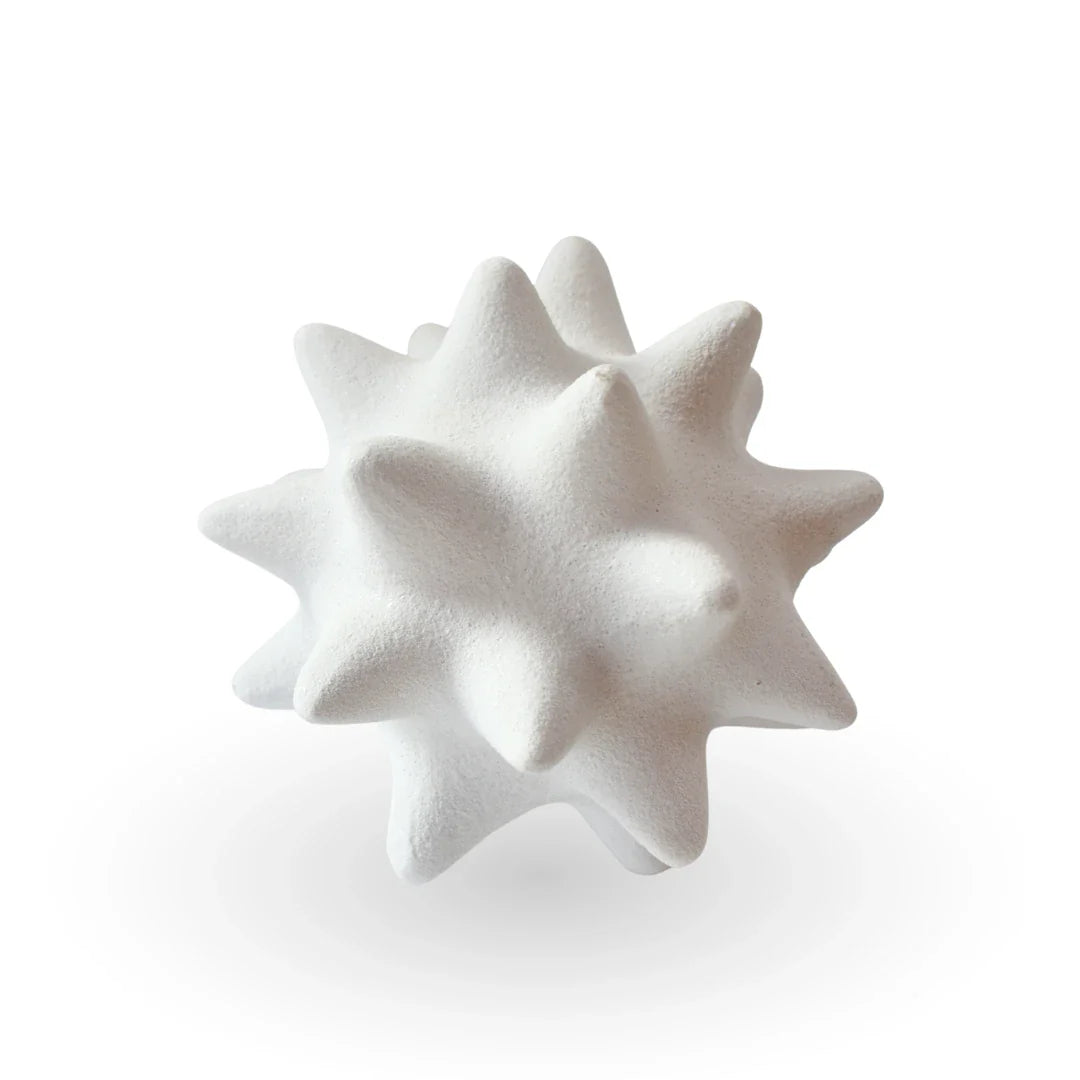
Spongea Porefera White
Fabcuro
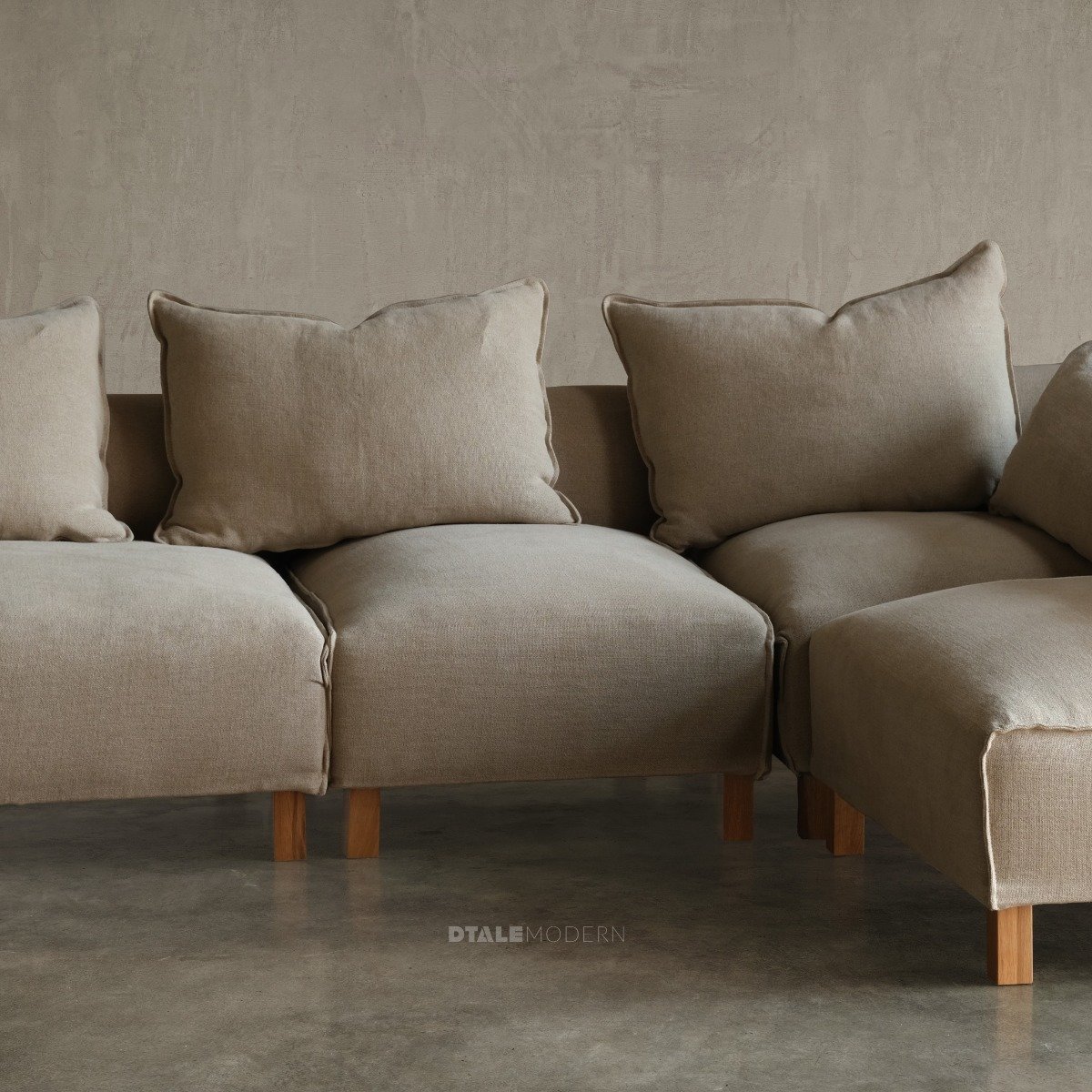
Chelsea Modular Sofa - Linen
Dtale Modern
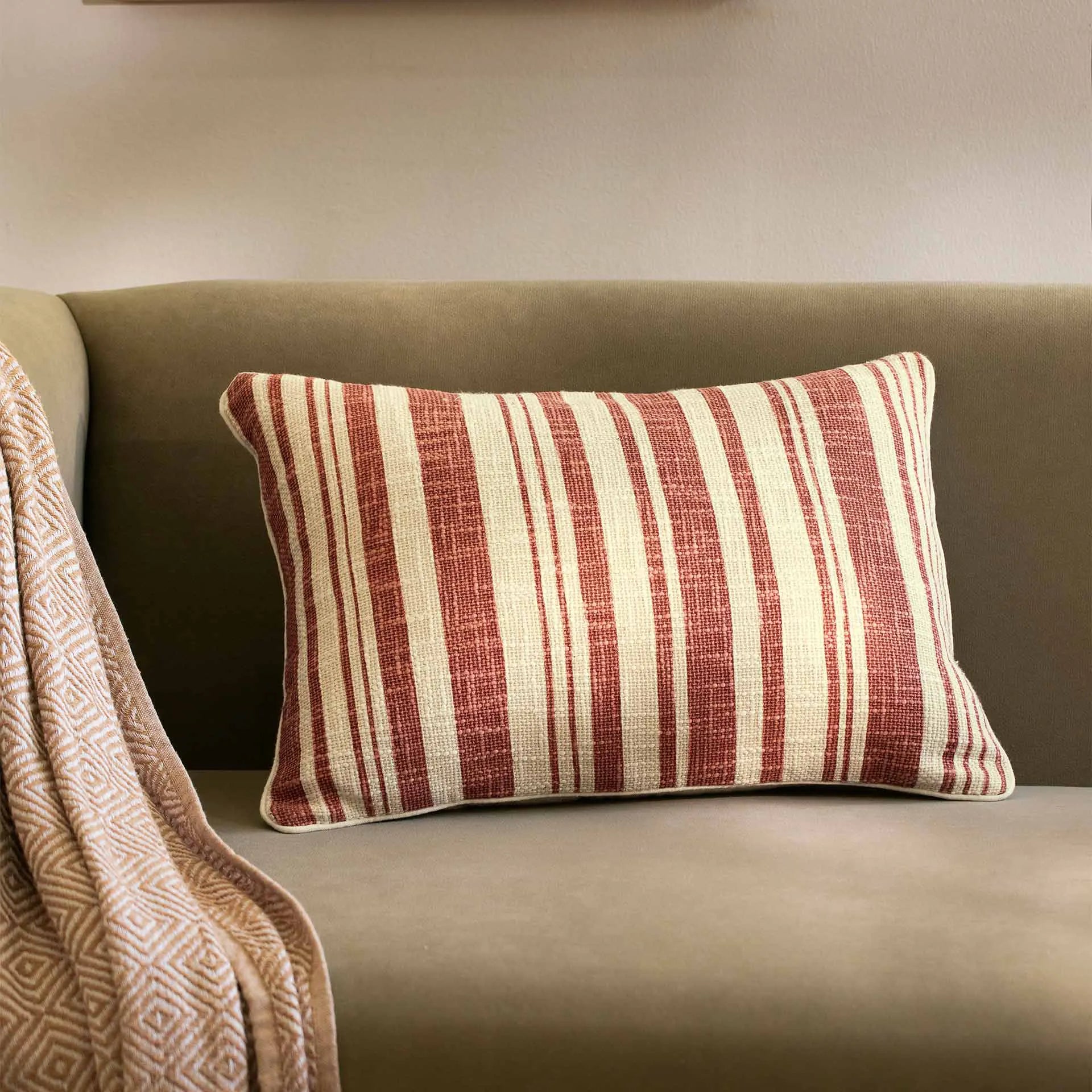
Zuko Printed Cotton Cushion Cover
Ellementry
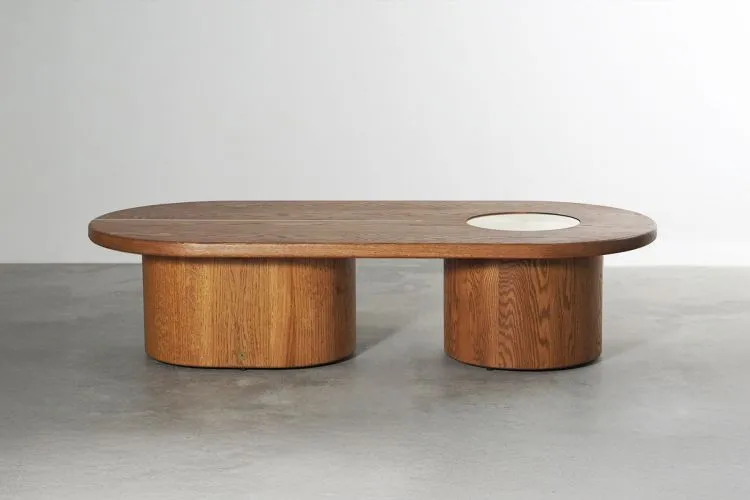
Celeste Coffee Table
The House of Things
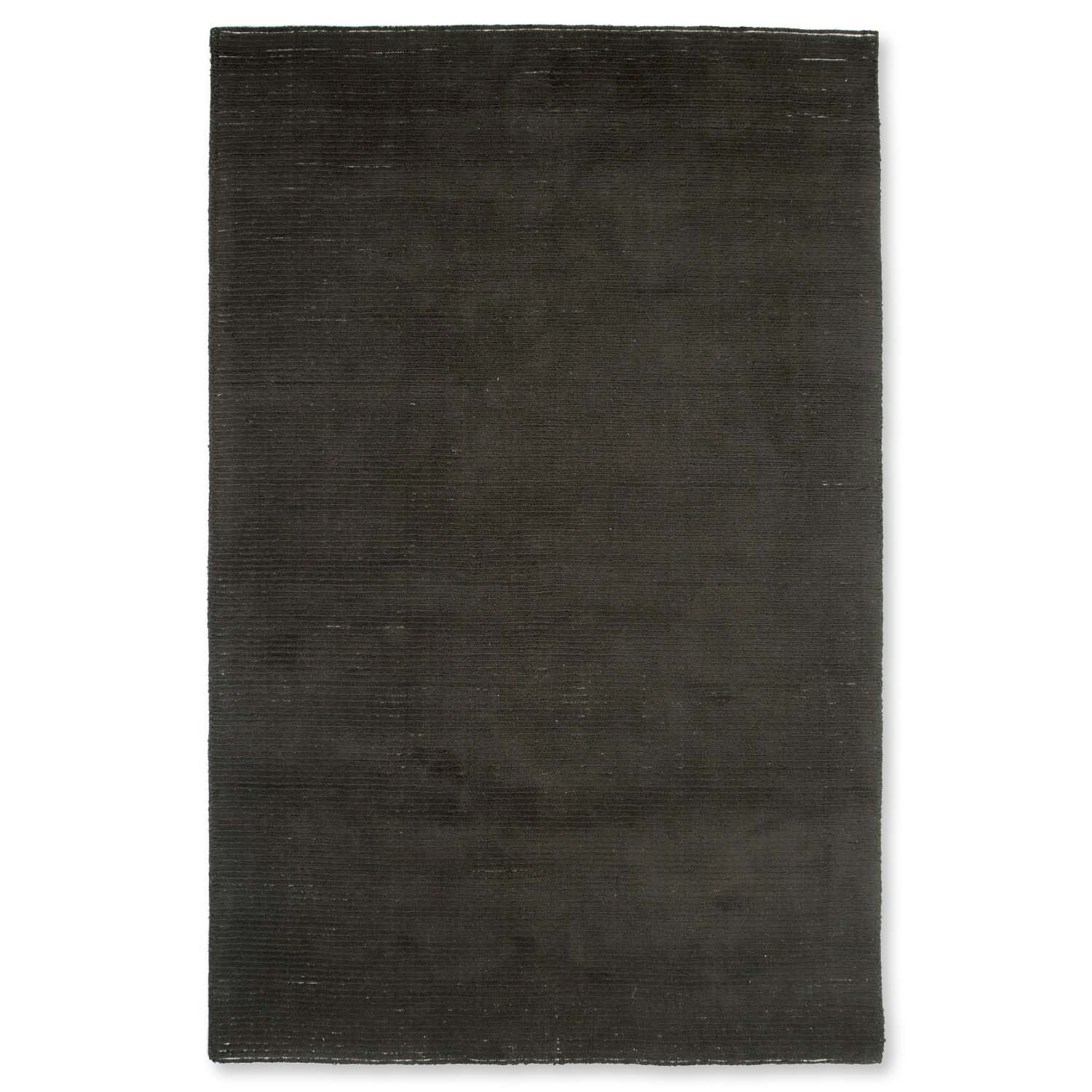
Skydive Handloom Woollen and Polyester Rug
Obeetee
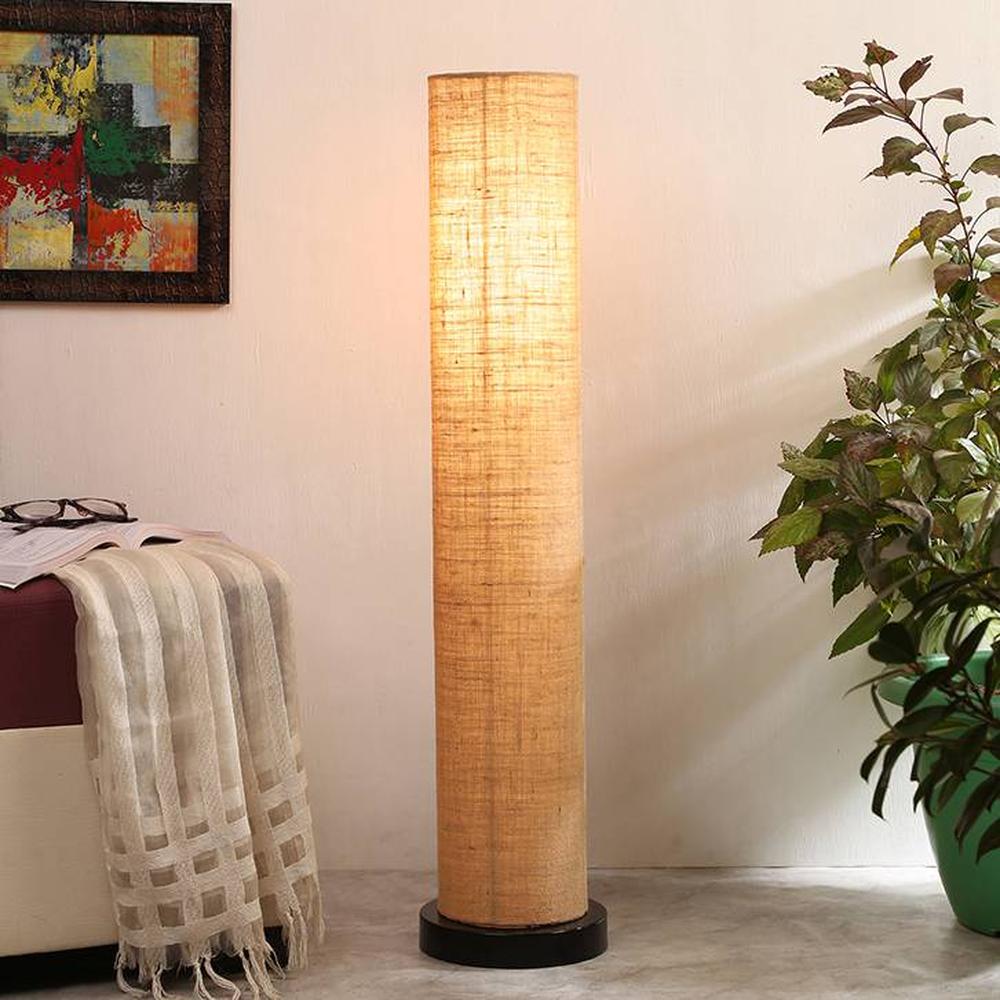
Charissa Beige Cotton Shade Floor Lamp - Devansh
Urban Ladder
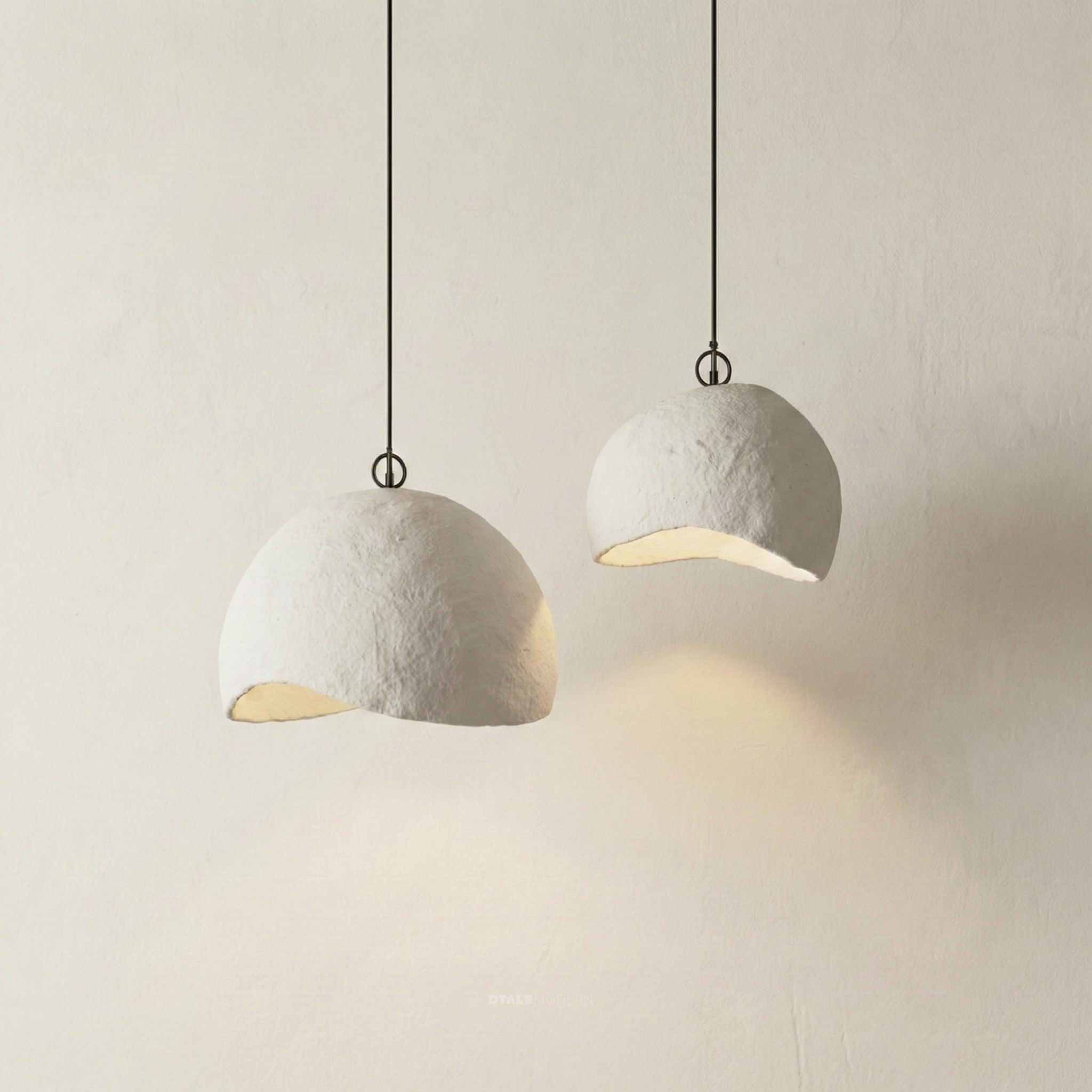
Nila Casca Pendant Lamp - Set of 2
Dtale Modern

Girly Frame Wall Art
The House of Things
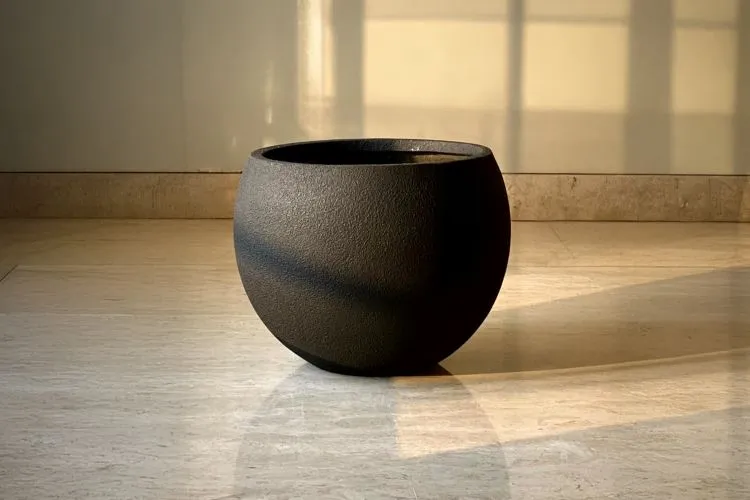
Lithos Black Planter
The House of Things
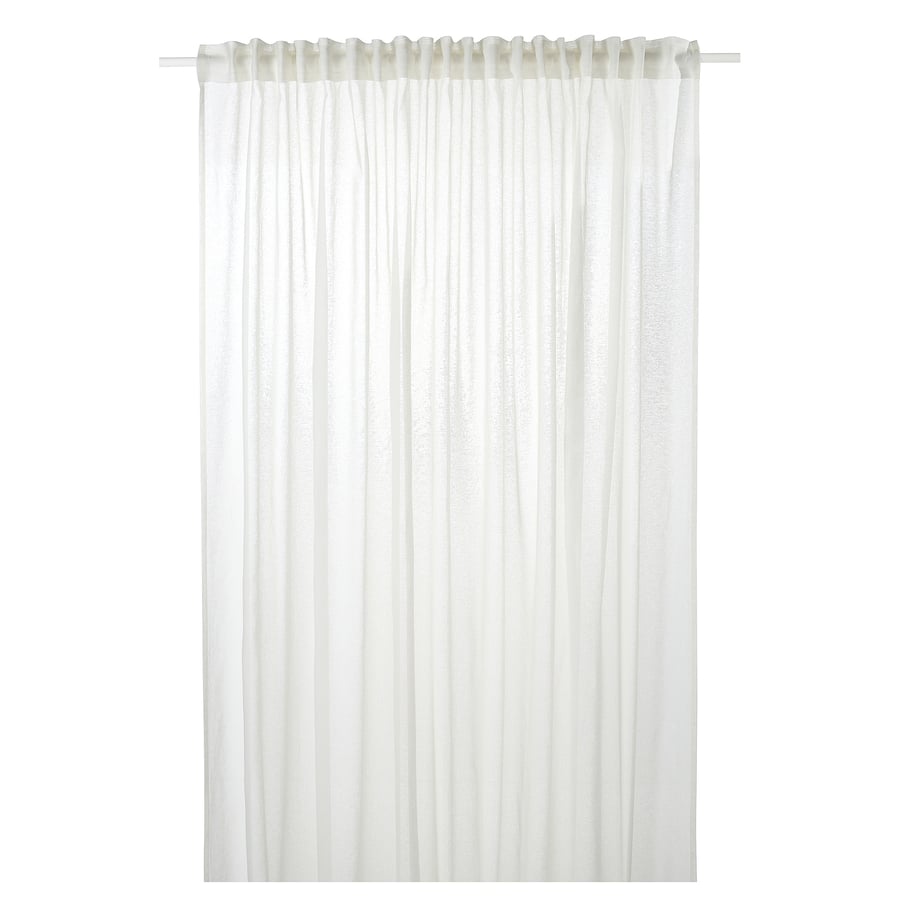
STOCKHOLM 2025 Sheer Curtain
IKEA
Questions people ask
- How do I refresh a living room cheaply?
- Fix scale first (rug size, coffee table distance), light the dead corners, then change one soft layer such as cushions, a throw or curtains. Only then think about furniture.
- Why does my living room feel flat?
- Nine times out of ten it is scale, a dead corner or lighting, not the furniture.
- What is the single most effective change?
- A correctly sized rug or a warm floor lamp in a corner. Both are usually under ₹15,000.
Style your room the way you imagined it
Upload a photo of your space and see it restyled with real, shoppable products in minutes.
Start styling free